This project envisions a future landscape for Rummelsburg, showing how Berlin could respond to increasing water scarcity in the wake of the coal phase-out. It explores how falling groundwater levels, shifting hydrological regimes, and post-industrial terrains can transform into a resilient, water-adaptive urban environment. The city is framed as a living hydro-infrastructure that adjusts to extreme drought, fluctuating flows, and emerging ecological dynamics. The design investigates how material reuse, wetland ecologies, and slow water practices can reshape urban spaces under climatic pressure. Ultimately, the project proposes a landscape that not only adapts to scarcity but uses it as a catalyst for new spatial and ecological possibilities.
Collaborators
Giorgio Bruno//Felix Ridder//David Seitz//Moritz Wette
Giorgio Bruno//Felix Ridder//David Seitz//Moritz Wette
Year
2024
2024
Project Type
Concept
Concept
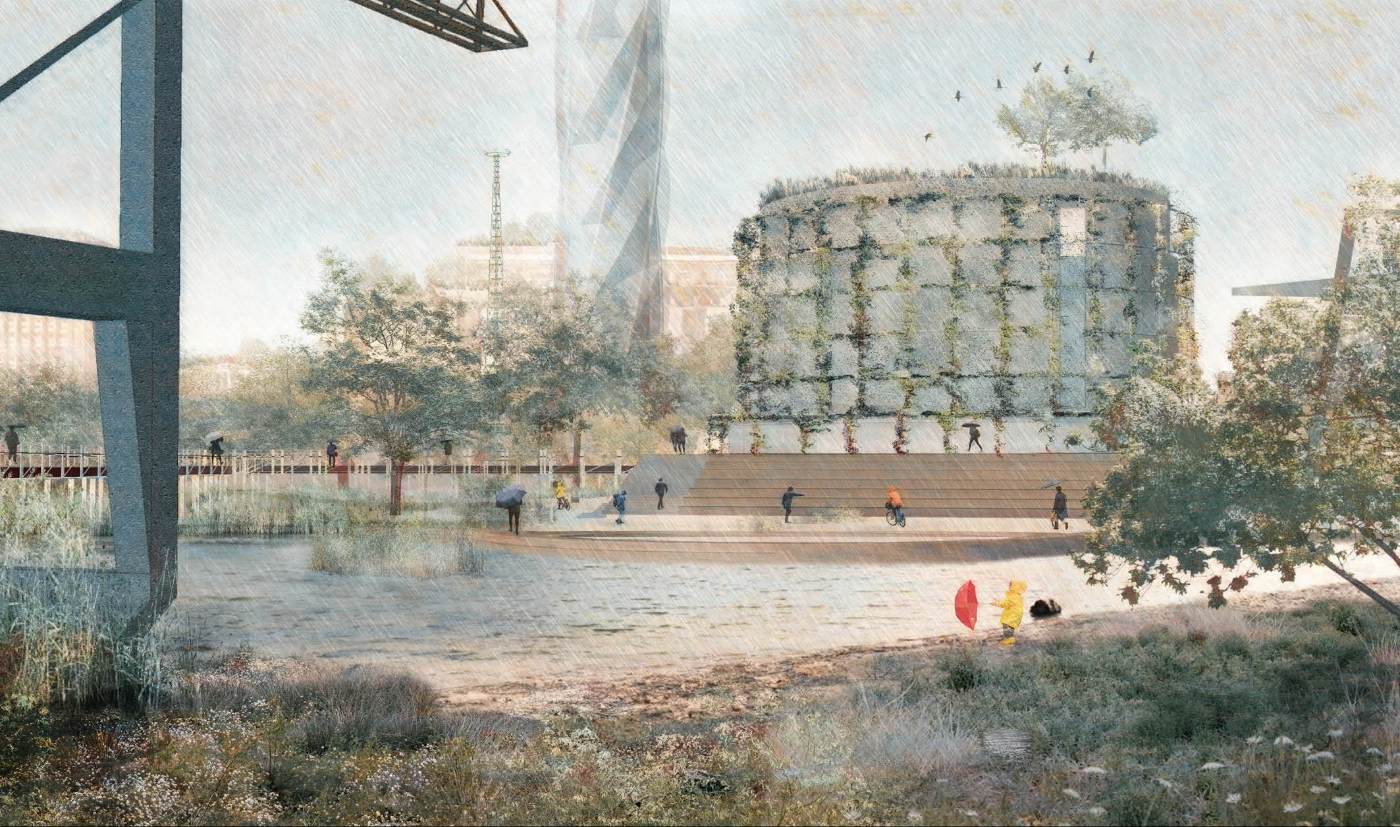
*
Fog Tower
Water becomes an experienceable part of the city landscape Water becomes an experienceable part of the city landscape Water becomes an experienceable part of the city landscape Water becomes an experienceable part of the city landscape
Water becomes an experienceable part of the city landscape Water becomes an experienceable part of the city landscape Water becomes an experienceable part of the city landscape Water becomes an experienceable part of the city landscape
*
Power Plant Relics
Water becomes an experienceable part of the city landscape Water becomes an experienceable part of the city landscape Water becomes an experienceable part of the city landscape Water becomes an experienceable part of the city landscape
Water becomes an experienceable part of the city landscape Water becomes an experienceable part of the city landscape Water becomes an experienceable part of the city landscape Water becomes an experienceable part of the city landscape
*
Water Tanks as Urban Elements
Water becomes an experienceable part of the city landscape Water becomes an experienceable part of the city landscape Water becomes an experienceable part of the city landscape Water becomes an experienceable part of the city landscape
Water becomes an experienceable part of the city landscape Water becomes an experienceable part of the city landscape Water becomes an experienceable part of the city landscape Water becomes an experienceable part of the city landscape
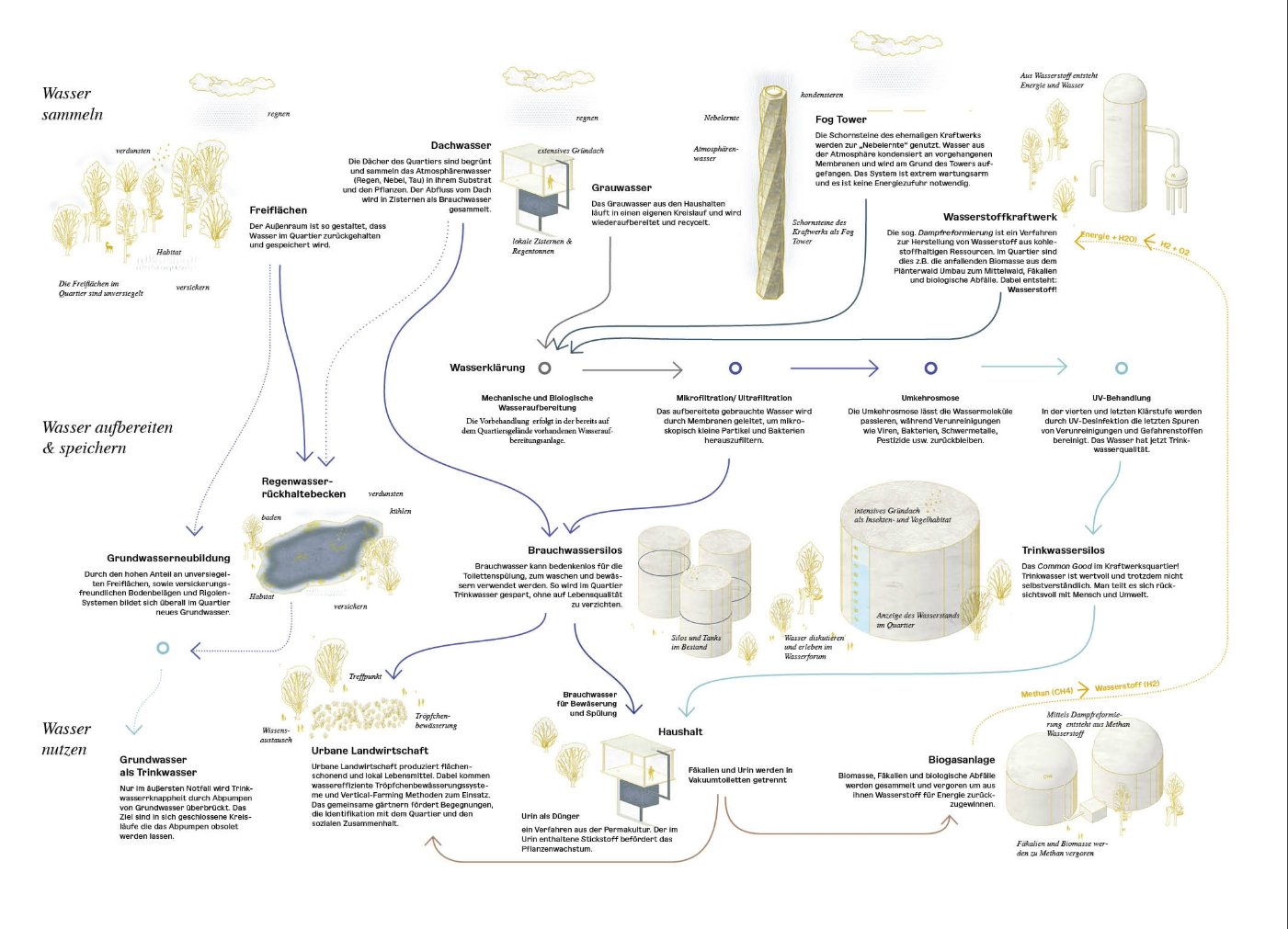
Everything is inseparably connected, everything is constantly shifting and transforming. Nothing ever disappears or is simply gone – everything is in flux. Every actor matters, is capable of agency, and becomes stronger in relation with others.

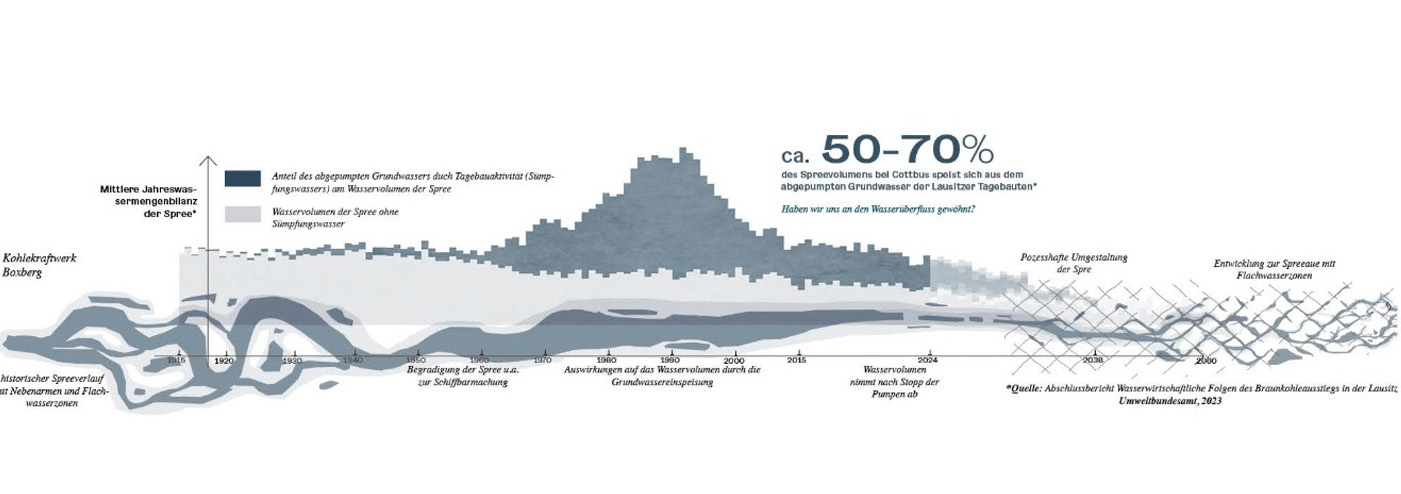
Spree water volume & watercourse before, during and after coal mining
*
Power Plant Relics
Water becomes an experienceable part of the city landscape Water becomes an experienceable part of the city landscape Water becomes an experienceable part of the city landscape Water becomes an experienceable part of the city landscape
Water becomes an experienceable part of the city landscape Water becomes an experienceable part of the city landscape Water becomes an experienceable part of the city landscape Water becomes an experienceable part of the city landscape
*
Power Plant Relics
Water becomes an experienceable part of the city landscape Water becomes an experienceable part of the city landscape Water becomes an experienceable part of the city landscape Water becomes an experienceable part of the city landscape
Water becomes an experienceable part of the city landscape Water becomes an experienceable part of the city landscape Water becomes an experienceable part of the city landscape Water becomes an experienceable part of the city landscape
*
Power Plant Relics
Water becomes an experienceable part of the city landscape Water becomes an experienceable part of the city landscape Water becomes an experienceable part of the city landscape Water becomes an experienceable part of the city landscape
Water becomes an experienceable part of the city landscape Water becomes an experienceable part of the city landscape Water becomes an experienceable part of the city landscape Water becomes an experienceable part of the city landscape
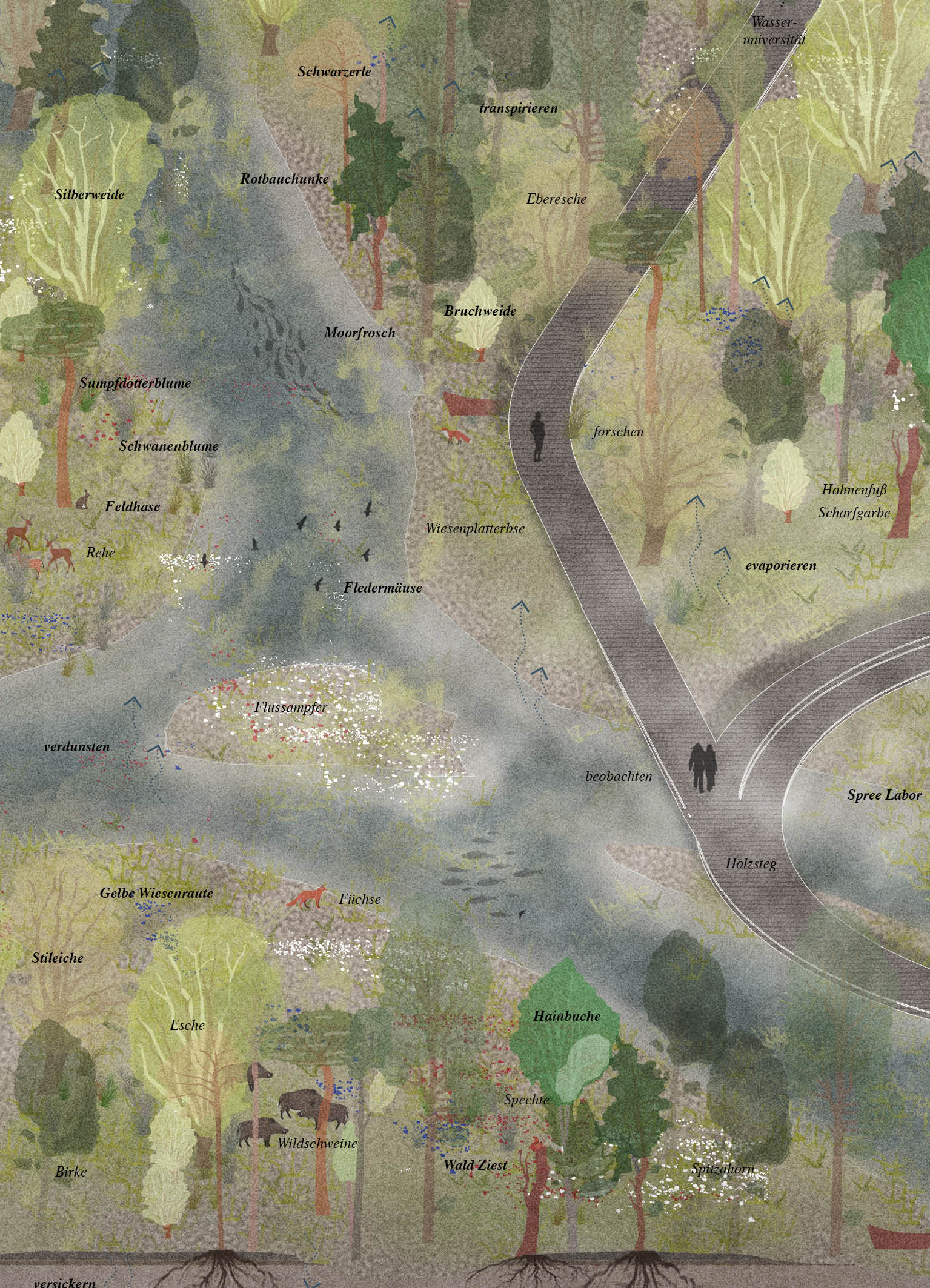
Spree wetland in 2060
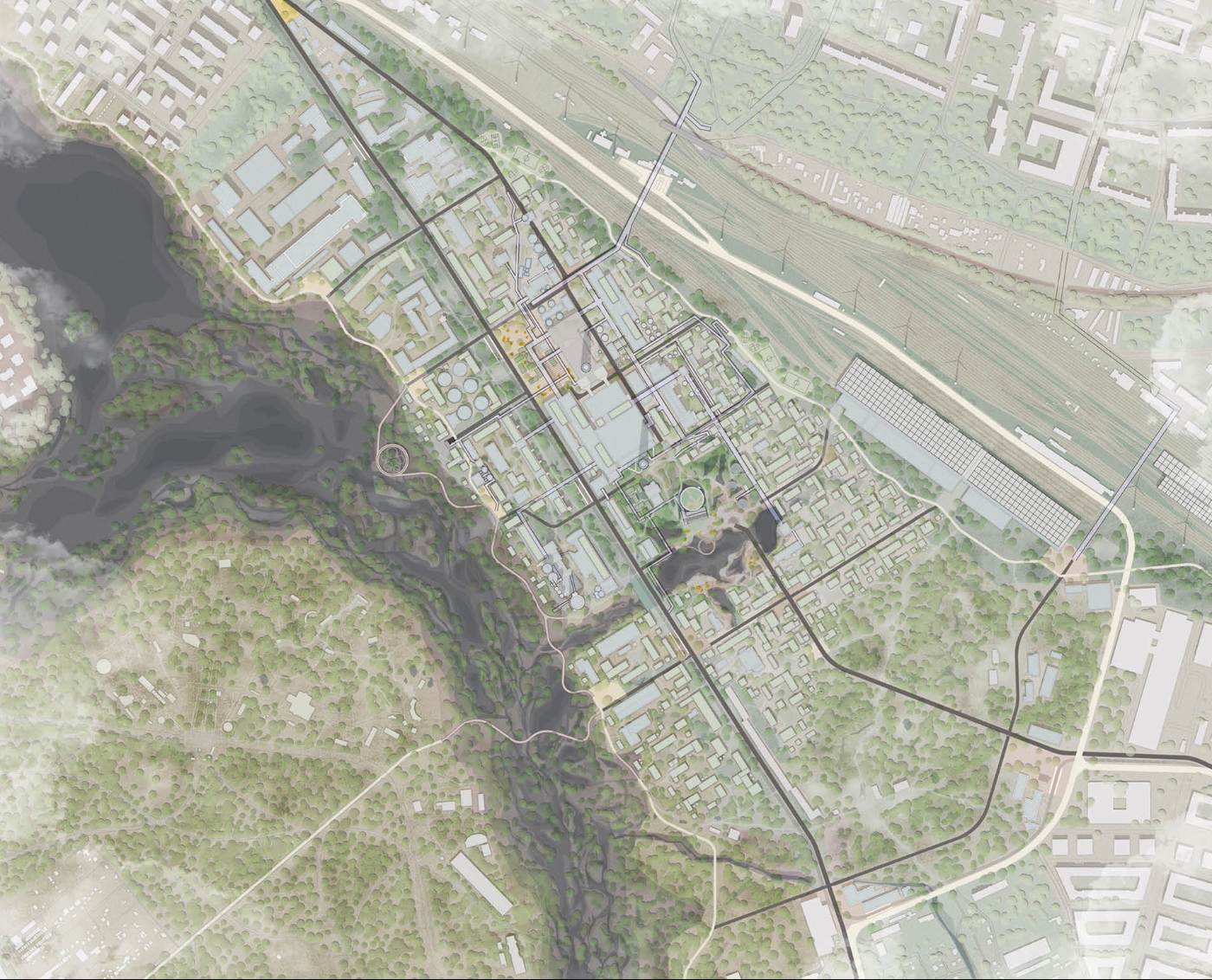
Hygro Polis with Spree Wetland in 2060
Water becomes an experienceable part of the city landscape Water becomes an experienceable part of the city landscape.
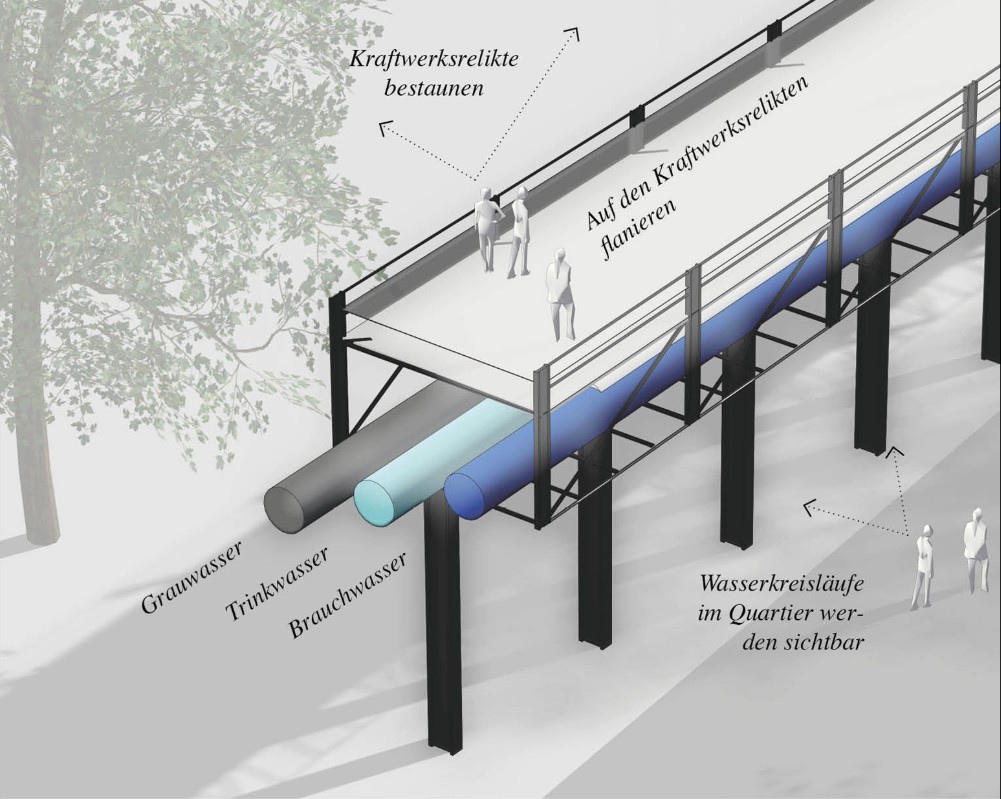
Power Plant Relics
Diving into the Spree Wetland
Despite several attempts, the issue of water scarcity in Berlin has not yet made it into the public consciousness. Planning practice in water management continues to focus on the problem of too much water. This raises much bigger questions: How can we ensure that we will still have enough water the day after tomorrow? How can planners help to establish practices that use water sustainably while maintaining at least the same, if not higher, quality of life? Our planning and actions never only affect us humans.